Home › Asphalt Resurfacing & Overlays
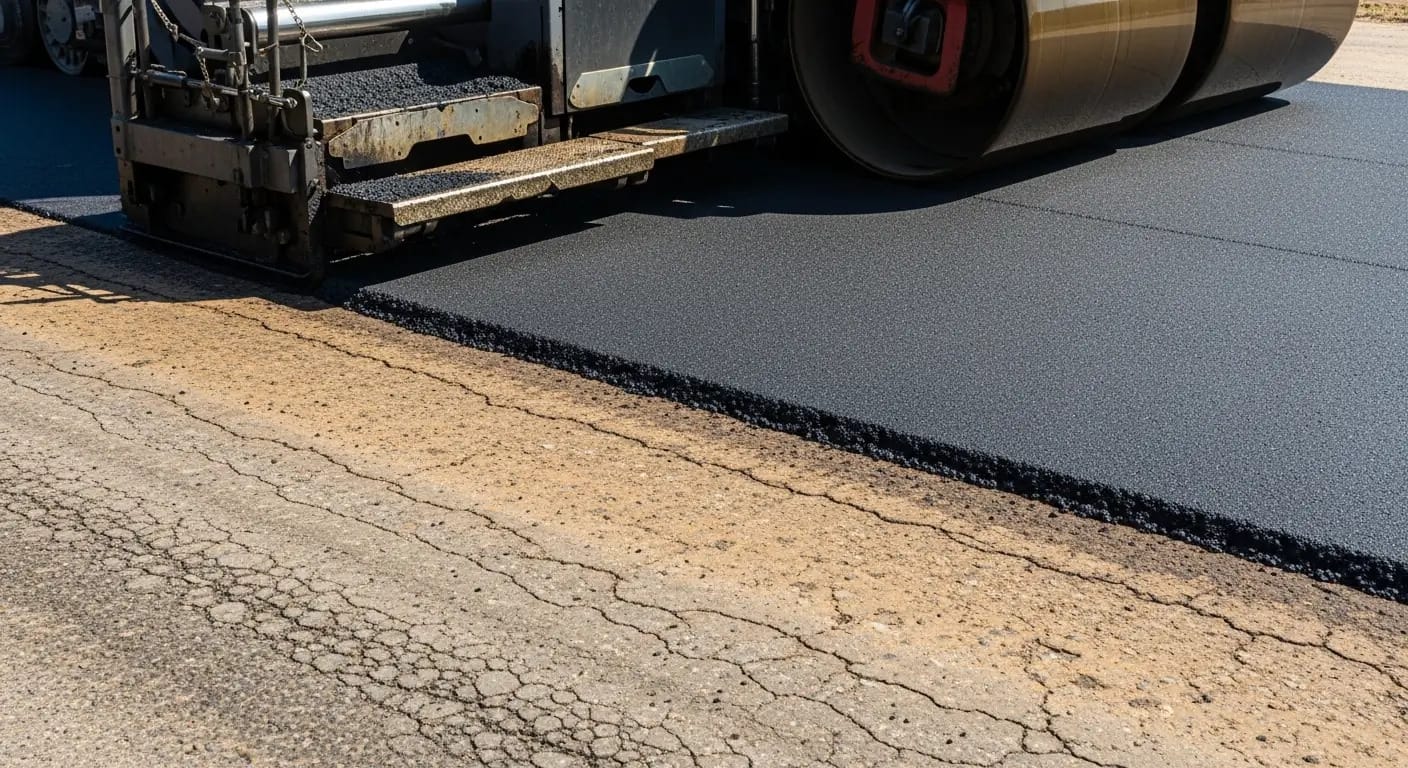
Refresh aging pavement with asphalt resurfacing in Saint Louis, MO. We install a new asphalt overlay over a sound base to smooth rough surfaces and cover widespread cracking. This cost effective option extends the life of your driveway while improving appearance.
Precision Asphalt St. Louis provides professional asphalt resurfacing throughout Saint Louis, MO, Missouri and the surrounding area. Our licensed, insured crew delivers safe, clean, on-time work with a free estimate before anything begins. Call (314) 333-7779 or request your free quote.
Asphalt Resurfacing & Overlays in Saint Louis, MO
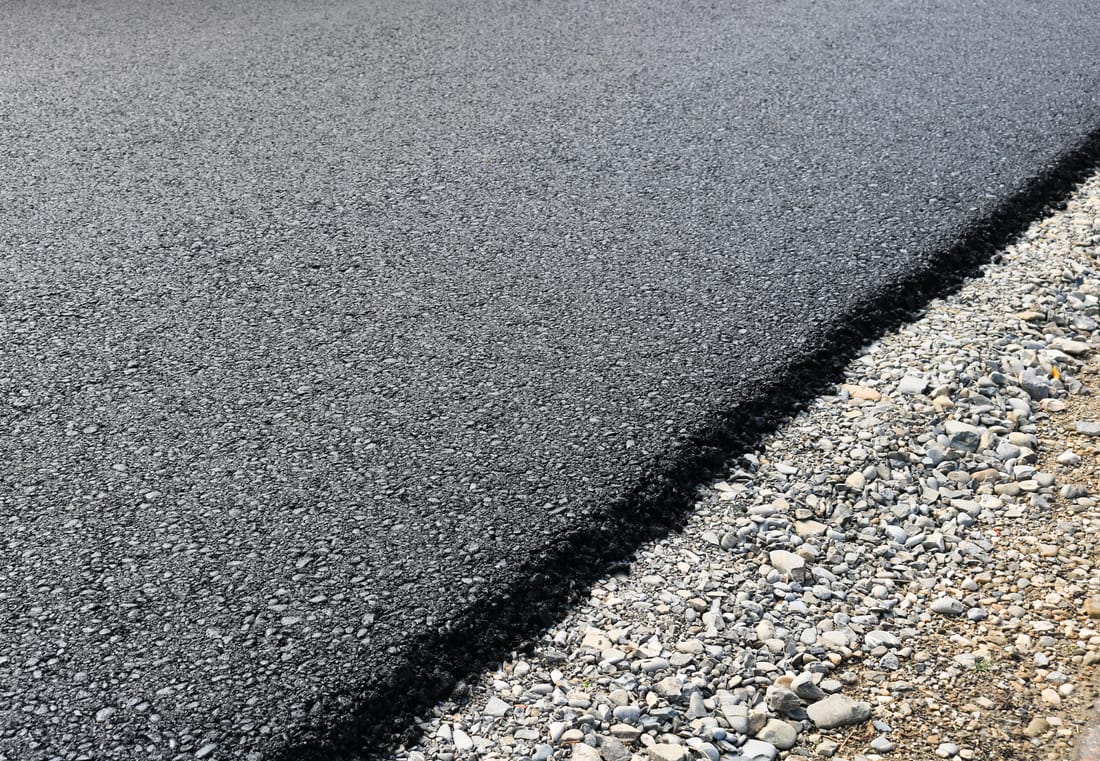
If your pavement is cracked, rough, or starting to unravel but the base is still solid, asphalt resurfacing is usually more practical than a full tear out. Precision Asphalt St. Louis focuses on resurfacing and overlays that extend pavement life by 8 to 15 years when done correctly.
Resurfacing means grinding or cleaning the existing asphalt, fixing structural issues, then installing a new asphalt layer on top, usually 1.5 to 2.5 inches thick for parking lots and 2 to 3 inches for driveways and light-use roadways. It keeps the existing foundation in place, which is why it costs less and goes faster than full reconstruction.
Around Saint Louis, resurfacing is common for older driveways, church and school parking lots, small commercial centers, private streets, and alleys. Our local weather freeze-thaw cycles, heavy summer rain, and winter plowing all affect how we design each overlay. Precision Asphalt St. Louis looks at drainage, truck traffic, turning movements, and existing damage before we recommend resurfacing, a partial repair, or a full replacement.
How We Evaluate Whether Your Pavement Is a Good Overlay Candidate
Not every cracked surface should be resurfaced. The long-term performance depends on the condition of the existing base. During our site visit, we walk and drive the full area, not just the worst spots, so we see how the pavement behaves as a system.
We check for base failure by looking for alligator cracking, pumping (water and fines squirting up when trucks roll), deep ruts, or soft areas along the edges. We also look at manholes, utility cuts, and previous patching to see how those areas are performing. When we suspect a weak base, we may recommend core samples or a few test cuts, which we can perform and patch the same visit if requested.
For Saint Louis properties, drainage is a big factor. If water is standing for more than a day after a normal rain, adding an overlay without correcting slope or adding inlets usually leads to early cracking and stripping. Precision Asphalt St. Louis identifies low spots and blocked drains, then builds correction for those into the resurfacing plan. We also evaluate overlay height relative to garage floors, sidewalks, curbs, and building thresholds to avoid creating trip hazards or drainage back toward structures.
Our Asphalt Resurfacing & Overlay Process
Once resurfacing is confirmed as the right solution, we follow a set sequence meant to minimize disruption and avoid callbacks.
1. Surface prep and milling. We start by mechanically cleaning the surface of debris, vegetation, and loose aggregate. In most Saint Louis overlays, we mill transitions at tie-in points like street connections, curb lines, and around manholes. This keeps final elevations smooth and prevents puddling where new asphalt meets old structures. In parking lots, we often mill 1 to 2 inches at the entrances so the overlay does not create a bump at the street.
2. Structural repairs. Any failed base spots get cut out, typically 2 to 3 feet past the visible cracks, then excavated and rebuilt with new rock base compacted in lifts. If we skip this step, the cracks simply reflect back through the new overlay. Precision Asphalt St. Louis patches these areas with hot mix asphalt at the correct depth to match the planned overlay thickness.
3. Tack coat. Before placing the new layer, we apply a tack coat, a thin layer of asphalt emulsion, to bond the overlay to the existing pavement. Without proper tack coverage, overlays can slide or delaminate, especially in turning areas and on slopes.
4. New asphalt installation. For overlays in Saint Louis, we commonly use a state-approved hot mix with a 3/8 or 1/2 inch aggregate, selected based on traffic, turning stress, and appearance requirements. The asphalt is placed with a paver for consistent slope and smoothness, then compacted with steel drum and rubber tire rollers while the mix is still within the correct temperature range. We monitor density in the field so the new surface is tight and resistant to moisture penetration.
5. Joints and finishing. We seal longitudinal and transverse joints where needed and fine-tune surface texture around drains, curb lines, and approaches. The goal is a smooth, well-draining surface without abrupt grade changes that catch snow plows or create trip points.
Overlay Thickness, Mix Choices, and Local Design Details
Overlay design is not one size fits all. In Saint Louis, traffic conditions on a neighborhood driveway look very different from a delivery-heavy commercial lot. Precision Asphalt St. Louis adjusts thickness and mix so you are not overpaying for capacity you do not need, but you also are not underbuilt.
Residential driveways typically receive a 2 inch compacted overlay. If there is frequent RV or work-truck traffic, we may push that to 2.5 inches or use a slightly coarser mix for better load distribution. For small retail centers with regular delivery trucks, we might use 2.5 to 3 inches in main drive lanes and keep 2 inches in light-use parking bays to control cost.
We also plan around local details like existing curbs and approach aprons. In many Saint Louis neighborhoods, the city controls the apron at the street edge. If a city inspection is required, we match their thickness and mix specifications at that portion of the work. For HOAs, we can provide written overlay specs, striping layouts, and photos so boards can review and approve before the job starts.
If you are concerned with appearance, such as at office parks or churches, we can specify finer-graded surface mixes that finish smoother and accept striping paint cleanly. The tradeoff is that ultra-smooth mixes can show tire scuffs more readily when temperatures are very hot, something we discuss with property owners before selecting the final mix design.
What Drives Asphalt Resurfacing Cost in Saint Louis
Most resurfacing proposals come down to four primary cost drivers: area, thickness, prep work, and logistics.
1. Square footage and shape. Larger, open areas are more efficient to pave. Small, chopped-up sections with many islands, light poles, and transitions require more hand-work and joint cutting, which increases labor cost per square foot.
2. Overlay thickness and mix. More asphalt equals more cost. A 3 inch overlay can use 50 percent more material than a 2 inch overlay over the same area. Specialty mixes, such as high-performance or polymer-modified asphalt, cost more but may be justified in high-stress loading zones like dumpster pads or bus lanes.
3. Base and drainage repairs. The amount of milling, base repair, and leveling affects the budget significantly. In Saint Louis, we often see older lots that need spot base replacement near entrances and behind buildings where trucks turn. Investing in those repairs at the time of resurfacing prevents early failures that are more expensive to address later.
4. Access and scheduling. Properties that must remain partially open, such as medical offices or retail centers, may require phasing work, off-hours paving, or quick return-to-traffic products. Precision Asphalt St. Louis can stage the project so customers still have access, but the extra mobilizations and traffic control add some cost.
We give itemized proposals that separate milling, base repairs, asphalt placement, and striping so you understand exactly where your money is going. If you have a budget target, we can also walk the site with you to prioritize critical areas for resurfacing and identify sections that can be postponed or handled with temporary repairs.
Local Considerations, Expectations, and How to Prepare
Asphalt resurfacing in Saint Louis has a few practical considerations property owners should know before scheduling work.
Permits and approvals. For private driveways that do not tie into a public street, a permit is usually not required. Commercial properties, apartment complexes, and any work that affects a public right of way may trigger city review or coordination. Precision Asphalt St. Louis can advise which jurisdiction your property falls under and whether a permit or traffic control plan is needed.
Weather timing. Our paving season typically runs from March through November, but the best results come when ground and air temperatures are consistently above 50°F and surfaces are dry. We monitor forecasts closely to avoid paving just ahead of a cold snap or heavy rain, both of which can compromise density and bonding.
What you should do before we arrive. We ask that vehicles be relocated, irrigation systems turned off, and any underground utilities or sprinkler heads near the pavement edge be marked. For businesses, clear signage and communication with tenants or customers about temporary parking changes helps the project move quickly.
After-care and expectations. Fresh overlays can usually receive light vehicle traffic within 24 hours, but heavy trucks should stay off for at least 48 hours, depending on temperature. We recommend avoiding power steering turns while stationary during the first week to prevent scuffing. In our climate, a new overlay may develop minor surface checking over time due to temperature swings; this is normal and can be managed later with sealcoating and crack sealing.
Precision Asphalt St. Louis provides straightforward resurfacing recommendations, realistic timelines, and clear explanations of what you can expect at each step, so your pavement lasts as long as possible in real Saint Louis conditions.