Home › Speed Bumps, Curbs, and Asphalt Accessories
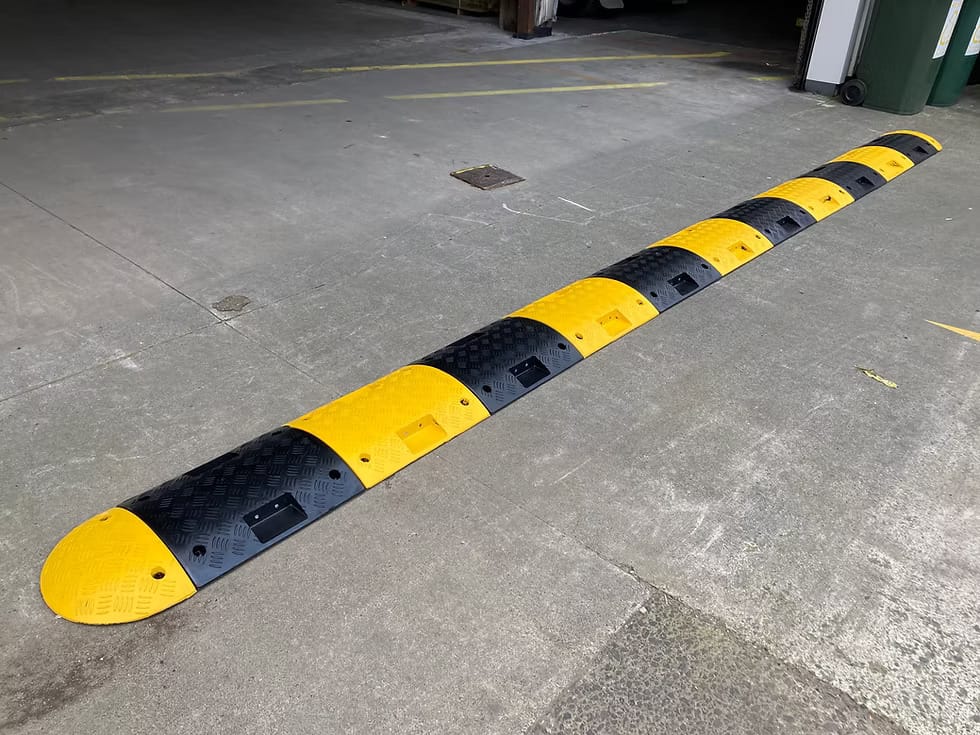
Precision Asphalt St Louis offers speed bump installation in St Louis, MO along with asphalt curbs, wheel stops, and other accessories. We shape and install features that calm traffic, protect landscaping, and organize parking so your property is safer and easier to navigate.
Precision Asphalt St. Louis provides professional speed bump installation throughout St Louis, MO, Missouri and the surrounding area. Our licensed, insured crew delivers safe, clean, on-time work with a free estimate before anything begins. Call (314) 333-7779 or request your free quote.
Practical Traffic Control Solutions for St. Louis Properties
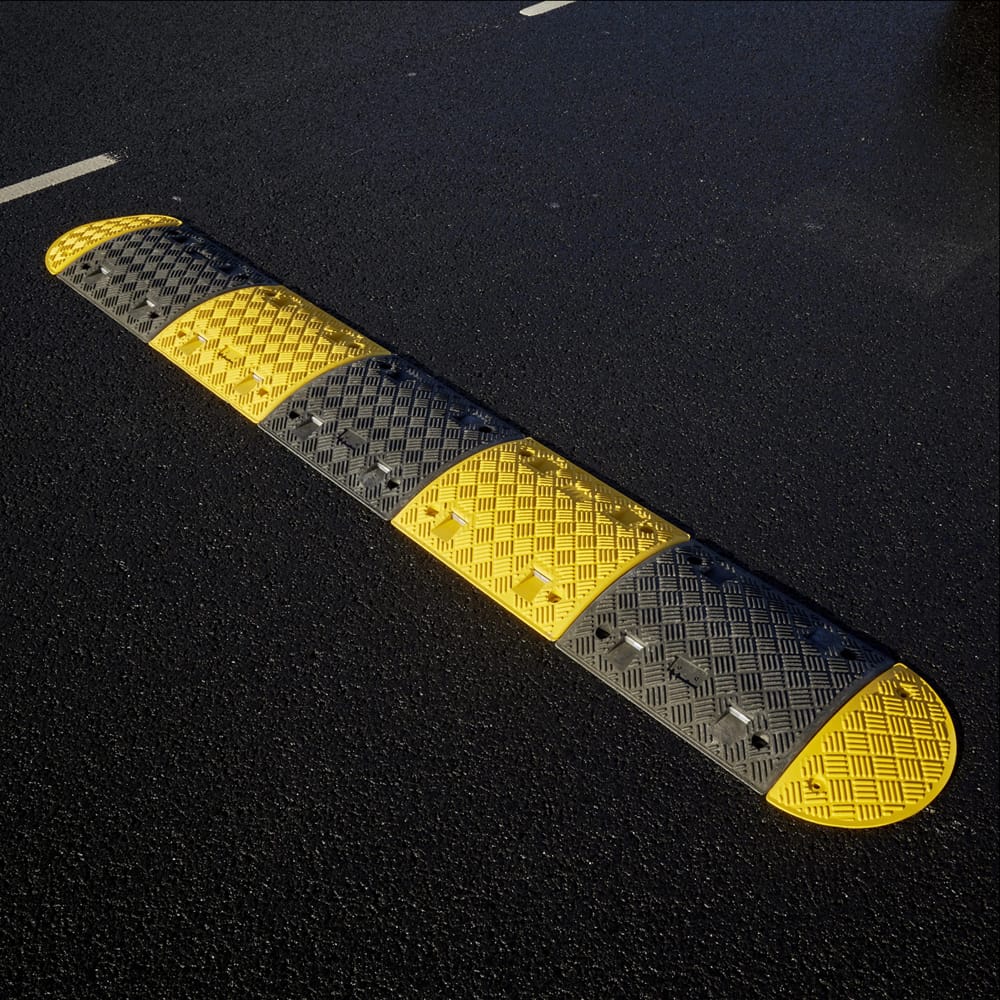
Parking lots and private drives around St. Louis see a mix of delivery trucks, school pickups, and customer traffic every day. Precision Asphalt St. Louis designs and installs speed bumps, curbs, and related asphalt accessories that fit how your property is actually used, not just what looks good on a drawing.
We routinely work on commercial centers along Lindbergh, churches in South County, apartment complexes in Florissant and Hazelwood, and older office parks closer to downtown. Each of these has different traffic patterns and drainage issues, so our first step is always a site visit. We walk the lot with you, watch how vehicles flow, note problem areas where drivers cut through, and check grades so new speed bumps or curbs will not trap water or block ADA access.
For many St. Louis owners, the goal is not to slow cars to a crawl but to bring a 25 to 30 mph lot speed down to a safer range for pedestrians. We use that target speed, plus your maintenance budget and snow removal routine, to determine the right style and spacing of speed bumps and curbing. The result is a layout that improves safety without creating constant complaints from drivers or plow contractors.
How Our Speed Bump Installation Process Works
Effective speed bump installation in St. Louis starts with measurements and layout, not with a load of asphalt. We measure the drive lanes and turning radii, then mark proposed bump locations with paint so you can see exactly where vehicles will encounter them. On busier sites, like medical offices or schools, we sometimes schedule test cones during peak hours to watch how EMS vehicles and delivery trucks move.
Once locations are set, we cut or grind the existing asphalt surface where needed so the new speed bump bonds and does not shear off under braking. For new construction lots, we integrate speed bumps into the final asphalt lift so they become part of the pavement, not an add-on that cracks away.
We typically form speed bumps with hot mix asphalt and compact them in lifts using walk-behind vibratory rollers. For most commercial lots we use 3 to 4 inch high bumps with a parabolic profile that slows cars without creating sharp impacts. On private drives or HOA streets with regular trailer traffic, we may use a flatter speed table profile instead, which still slows vehicles but is easier on suspensions.
After compaction, we let the asphalt cool, then apply reflective traffic paint in bright yellow or white, often with large arrow or “SLOW” legends depending on your preference. We also install advance warning signs at appropriate distances so unfamiliar drivers are prepared. The complete process for a typical small lot is often completed in a single day, with clearly marked closures so your tenants or customers can still access most of the property.
Curbs, Wheel Stops, and Asphalt Accessories That Protect Your Pavement
Speed bumps are only part of the picture. Precision Asphalt St. Louis also installs curbs, wheel stops, and various accessories that keep vehicles where they belong and protect your investment in paving.
In St. Louis, many older strip centers still rely on concrete wheel stops that have shifted or broken. We remove or reset these, repair the underlying asphalt where they have punched in, and replace unsafe units. For high traffic or snow plow heavy sites, we often recommend durable recycled rubber wheel stops anchored with rebar pins. They flex slightly, resist salt damage, and can be removed for resurfacing without breaking apart.
For perimeter areas and landscape islands, we install either poured concrete curbing or asphalt curbs formed from the existing pavement. Concrete curbs provide crisp separation between pavement and landscaping and are ideal where water must be directed to specific catch basins. Asphalt curbs, on the other hand, can be more forgiving if a delivery truck rides up on them, which is common at loading zones behind older brick buildings and warehouses around the city.
We also add trench drain grates, bollards around gas meters and storefronts, and protective asphalt build-ups at dumpster pads or loading docks. These accessories are not cosmetic. They reduce edge cracking, prevent vehicles from jumping curbs onto sidewalks, and help keep water from undermining your pavement base.
Material Choices and Design Options for Speed Bumps and Curbs
Local temperature swings in St. Louis, with freeze-thaw cycles off the Mississippi, are rough on pavements. That is why we select materials and designs that match how your lot weathers over time.
For permanent speed bumps in asphalt lots, we usually recommend hot mix asphalt with polymer-modified binders that resist rutting from braking and turning. In small private drives or alleys that see limited traffic, we can sometimes use a more economical standard hot mix if we know heavy truck use is minimal.
In some cases, particularly in industrial yards or at the base of steep slopes, we recommend concrete speed humps. These are formed with rebar reinforcement and expansion joints, then tied into the existing pavement. They cost more upfront but stand up better to loaded dump trucks and frequent forklifts, which we see often in North St. Louis industrial corridors.
Curbs can be cast-in-place concrete with air-entrainment to resist salt and freeze, or asphalt curbs shaped during paving with a specialized curbing machine. On properties with lots of winter salt use, like grocery stores and hospitals, we pay special attention to concrete mix designs and sealers to resist spalling.
For markings, we use either standard traffic paint or thermoplastic striping on high wear sites. At apartment complexes where residents drive the same path daily, paint typically holds up well. At busy retail centers along major routes, we may recommend thermoplastic, which costs more but stays visible longer under constant traffic and frequent snowplow passes.
Typical Costs, What Drives Pricing, and How We Help You Plan
The cost of speed bump installation and related accessories in St. Louis depends on several practical factors: quantity, dimensions, site condition, and access. We want owners to understand these before they budget.
A small lot that needs two or three 12 to 14 foot asphalt speed bumps, marked and signed, is usually priced per bump with some economies of scale when multiple are done in a single mobilization. Larger properties, like big apartment complexes or business parks, are often priced by linear foot plus materials and traffic control.
Curbs are usually priced by linear foot as well. Concrete curbing around landscape islands will cost more per foot than asphalt curbing tied into an overlay, because of forming, reinforcement, and finishing requirements. If we need to remove old broken curbs or demo settled pavement first, that adds labor, haul-off, and dump fees.
Access affects cost too. Work behind buildings with no rear drive or in tight city alleyways may require smaller equipment and more hand work. Coordinating with your business hours to avoid blocking deliveries sometimes stretches a one-day job into two shorter mobilizations, which we factor into the quote.
To make planning easier, Precision Asphalt St. Louis offers phased options. For example, we might install the most critical speed bumps and wheel stops now, then add additional curbing during your next sealcoating or resurfacing project, so you are not paying twice for traffic control or layout work.
Addressing Common Problems on Older St. Louis Lots
Many St. Louis properties were paved 20 to 40 years ago, then patched repeatedly. This history creates specific challenges when adding speed bumps and curbs, and we address them upfront.
Problem one is weak or alligator-cracked pavement where you want to slow traffic. If we place a speed bump on top of failed asphalt, braking and turning loads will tear the area apart. In these cases we saw cut the area, remove the failed section, repair the base if needed, and install a reinforced patch that extends beyond the future bump. Only then do we build the bump itself.
Problem two is drainage. Older lots often have low spots or settlement around catch basins where water already ponds. Adding curbs or bumps without checking slope can trap more water and accelerate base failure. We check elevations with a laser level and adjust profiles to leave openings or cut channels so water still finds the inlets.
A third frequent issue is unmarked or shallow utilities crossing drive lanes in older neighborhoods and historic districts. Before we anchor wheel stops or install deeper curbs, we review available utility records and, where necessary, perform shallow locates or hand digging to avoid damaging lines.
Because we are local, we recognize patterns. For instance, many 1960s and 1970s era apartment complexes in the metro have thin asphalt over limited base. On these, we may suggest more modest height speed humps spaced closer together, rather than tall, abrupt bumps that would quickly break the pavement.
Planning, Permits, and Ongoing Maintenance in St. Louis
Most speed bump installation and curb work on private property in St. Louis County and surrounding municipalities does not require a full building permit, but there are exceptions, especially on private streets that function like public roads or near emergency access routes. Precision Asphalt St. Louis can help you determine whether any local review is needed based on your address and property type.
We also consider fire and EMS access. Some fire departments prefer speed tables over sharp bumps on main access drives. When necessary, we coordinate layout so emergency routes remain compliant while still protecting pedestrians and slowing cut-through traffic.
Once installed, speed bumps, curbs, and accessories need basic maintenance. We recommend regular sealing and restriping during your normal asphalt maintenance cycle, typically every 3 to 5 years depending on traffic and exposure. On snow plow routes, we advise plow operators to lift blades slightly when crossing bumps and to avoid using curbs as push points. We can provide simple diagrams for your plow contractor that show where features are located and how to avoid damaging them.
If damage does occur, most repairs can be made in small, targeted patches without removing the entire bump or curb. Because we keep detailed records of the materials and layouts we install, we can often match profiles and colors very closely on future repairs or expansions.
When you contact Precision Asphalt St. Louis, we will schedule a site visit, discuss how your property is used, and provide a written recommendation that covers layout, materials, costs, and phasing options for your speed bumps, curbs, and asphalt accessories.