Home › Gravel-to-Asphalt Conversions
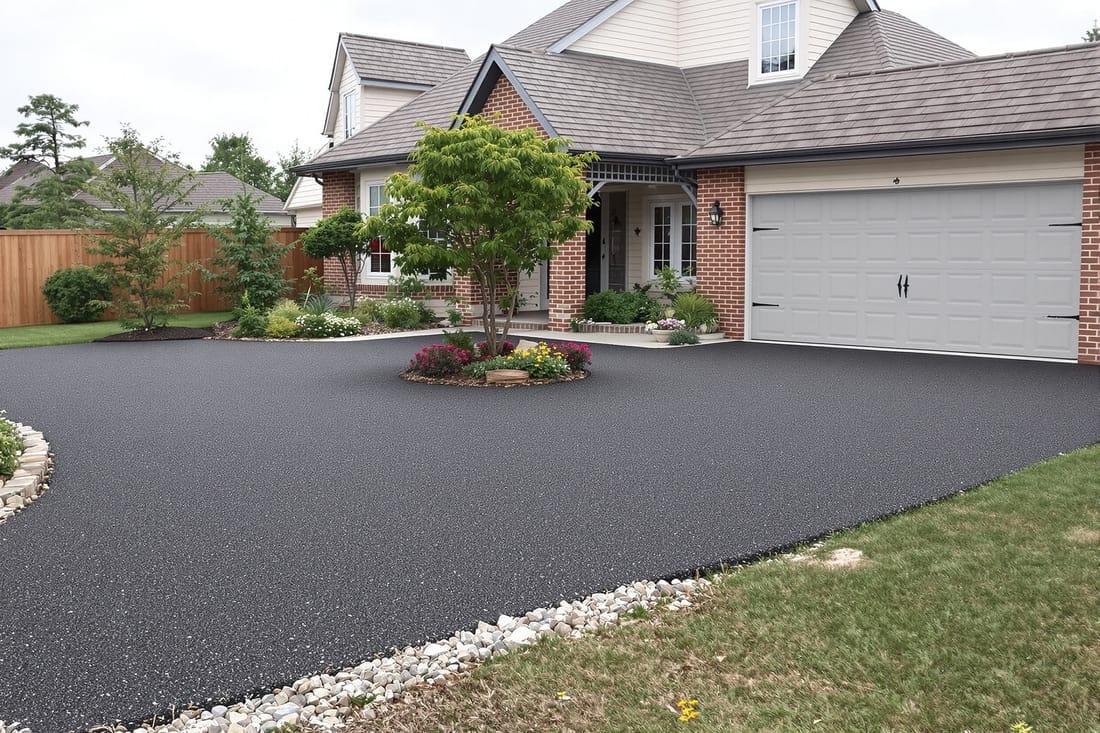
Upgrade your gravel drive with a gravel to asphalt driveway conversion in Saint Louis, MO. We regrade, compact, and build a proper base before paving a smooth asphalt surface. Enjoy cleaner vehicles, less dust, and easier snow removal all year.
Precision Asphalt St. Louis provides professional gravel to asphalt driveway throughout Saint Louis, MO, Missouri and the surrounding area. Our licensed, insured crew delivers safe, clean, on-time work with a free estimate before anything begins. Call (314) 333-7779 or request your free quote.
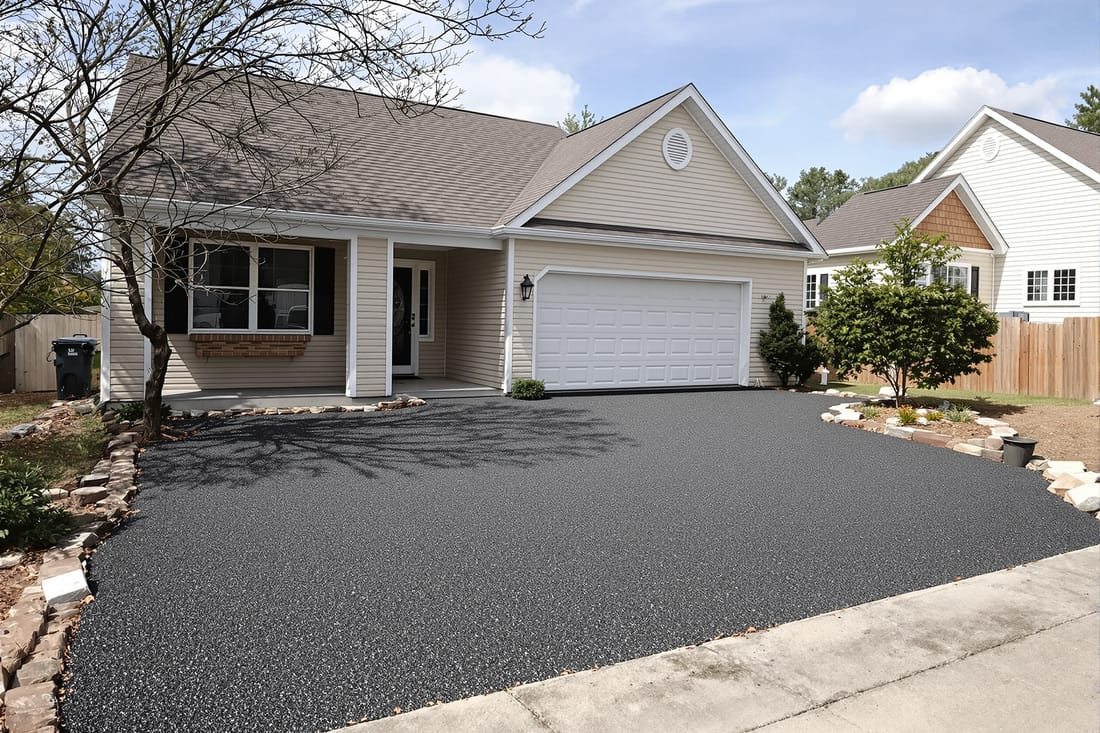
Turn Your Gravel Driveway Into a Clean, Solid Asphalt Surface
If you are tired of dust, ruts, and washouts on your gravel driveway, converting to asphalt is one of the most practical upgrades you can make to a property in the St. Louis area. Precision Asphalt St. Louis focuses on gravel to asphalt driveway projects that hold up to Midwest weather and everyday use, not just on day-one appearance.
Unlike a simple resurfacing, a gravel to asphalt driveway conversion is a full build of a paved structure on top of an existing loose base. That means we look at what is already there, decide what can be reused, and rebuild what cannot. Our goal is to give you a driveway that drains correctly, does not track mud into the garage, and does not develop chronic potholes after every storm.
We work across Saint Louis, MO, from older city neighborhoods with tight access to larger suburban and semi-rural properties in the metro area. Local soil types and drainage patterns are a big factor in how we design each driveway. Clay-heavy soils common around St. Louis behave very differently from sandy or rocky soils, so we design the base, thickness, and drainage around how your ground actually moves over the seasons.
Evaluation and Planning: How We Start a Gravel to Asphalt Driveway Job
Every conversion begins with a site visit. Precision Asphalt St. Louis measures the current driveway, checks elevations against the house, garage, street, and yard, and tests how firm the existing gravel base really is. Walking the driveway, we look for soft spots, standing water, and areas where tires have formed deep ruts or where gravel keeps migrating into the yard.
We also look at nearby structures and utilities. Downspouts that dump water across the drive, low garage thresholds, and shallow utility lines (common on older Saint Louis properties) affect how we design the finished surface and base depth. On steep hill drives, especially in the outer suburbs, we evaluate where winter ice will form and set the slopes and drainage accordingly.
During planning we discuss how you actually use the driveway. A short residential drive that sees two sedans has different needs than a long semi-rural lane that gets delivery trucks, service vehicles, and trailers. This use pattern determines base thickness, asphalt mix type, and whether we recommend a thicker commercial-grade surface course at the traffic areas. We then provide a written scope that outlines the steps, materials, estimated timeline, and any optional upgrades, such as wider parking pads or turnaround areas.
Site Prep and Base Work: The Foundation of a Lasting Driveway
On gravel to asphalt driveway conversions, the base is everything. The first construction step is to shape and stabilize what you already have. Precision Asphalt St. Louis brings in grading equipment to cut down high spots, fill low spots, and create a consistent slope that moves water away from structures and toward appropriate drainage areas, not onto your neighbor's property or the street.
If the existing gravel is clean and reasonably deep, we may reuse much of it by scarifying, regrading, and compacting with vibratory rollers. Where we find thin or mud-contaminated sections, we excavate to a stable subgrade and import new aggregate. In many Saint Louis, MO locations, this means a compacted base of 4 to 8 inches of crushed rock, adjusted for soil type and traffic load.
Water control is a common problem in our region, especially on older gravel driveways that were never built with a proper crown or side ditch. When needed, we cut shallow swales along the edges, add French drains at chronic wet spots, or install a trench drain in front of a low garage. These drainage improvements are usually a small part of total cost but make a big difference in how long your asphalt lasts.
Once the subgrade and base are in place, we compact in multiple passes using the correct size rollers for the site. The base should feel like a solid, slightly textured road surface, not loose gravel, before we ever bring in hot mix asphalt.
Paving Process: From Gravel to Finished Asphalt Surface
With the base ready, we apply a tack coat if we are tying into any existing asphalt or concrete, such as a city street or older parking pad. For a full gravel to asphalt driveway, we then place hot mix asphalt in one or two lifts, depending on design. Typical residential drives in Saint Louis receive 2.5 to 3 inches of compacted asphalt. Higher traffic or heavy vehicle areas may get 3.5 to 4 inches or a two-layer system with a stronger base course and a smoother surface course.
Precision Asphalt St. Louis uses local plant mixes that are proven to handle St. Louis freeze and thaw cycles. In shaded, tree-lined drives where moisture lingers and roots are nearby, we may choose a slightly stiffer mix to resist movement. Along the edges, we often build a small shoulder of compacted gravel or soil so the asphalt is not left hanging unsupported, which helps prevent edge cracking.
We pave using mechanical pavers when access allows. On tight, curved, or very narrow drives, our crew may hand-place some areas while still meeting compaction standards using plate compactors and walk-behind rollers. We pay close attention to tie-ins to the street, sidewalks, and garage slabs so there are no abrupt bumps or trip hazards. The finished surface is then rolled in multiple passes to get a dense, smooth mat with a consistent slope.
Costs, Timelines, and What Drives Your Price
No two gravel to asphalt driveway projects in Saint Louis, MO are priced the same, even if they look similar on a map. The biggest cost drivers are base condition, drainage fixes, and total square footage. A driveway with a deep, well-compacted gravel base and decent drainage may convert with only minor corrections and standard paving thickness. A driveway that turns to mud after every rain will require more excavation, rock, and labor.
Access also matters. In dense city neighborhoods with limited truck access, we may need smaller loads and more hand work, which slightly raises labor costs. Long rural lanes can add cost for rock and asphalt delivery, but sometimes save on hand work if the layout is straightforward.
Most gravel to asphalt driveway conversions are completed within 1 to 3 working days once we start, depending on size and complexity. Day 1 is usually heavy grading and base work. Day 2 is final preparation and paving. Longer projects or those requiring drainage installations may stretch into a third day. We schedule with weather in mind, since proper asphalt compaction requires adequate temperature and a reasonably dry surface.
We provide clear instructions on when you can drive on the new asphalt. Light traffic is often allowed after 24 hours in warm weather, but heavy trucks and tight turning should be postponed for several days to avoid scuffing while the surface is still fresh.
Local Considerations and How to Get the Best Result
Saint Louis weather is hard on pavement. Hot summers, winter freezes, road salt, and tree root growth all affect how gravel to asphalt driveway conversions should be designed. Precision Asphalt St. Louis factors in sun exposure, shade, tree locations, and how plows or snow blowers will be used before we finalize your layout. For example, in areas where plows will push snow off the drive, we strengthen edges and avoid sharp inside corners that catch blades.
Before hiring any contractor, ask exactly how they will handle base repair, drainage, and compaction. A low quote that skips these steps may look attractive now, but usually leads to early cracking and dips. We encourage homeowners to walk the driveway with us during the estimate, point out problem spots, and discuss options such as widening, adding an extra parking pad, or adjusting the layout for easier backing out onto busy streets.
After your gravel to asphalt driveway is installed, routine care is simple. Keep edges supported, avoid parking heavy equipment on the same small area for long periods, and consider a professional sealcoat after the first year to protect from UV and fluids. We can schedule follow-up maintenance or simply advise you on realistic upkeep based on your specific driveway and traffic.
If you are ready to convert a dusty, uneven gravel drive into a clean, solid asphalt surface, Precision Asphalt St. Louis can walk you through each step so you know exactly what you are getting and how long it should last.